
DREAM LAB FAMILY
Strengthening capabilities. Transforming homes. Protecting futures.
Dream Lab Family builds on Dream Lab's methodological foundation and applies it specifically to the family context, as a KUPERA social innovation for capacity strengthening.
We strengthen those who care for and support adolescents, developing socio-emotional capabilities, emotional regulation, communication, active listening and agreement-building.
We aim to transform families' everyday interactions to strengthen protective environments and contribute to adolescent well-being.
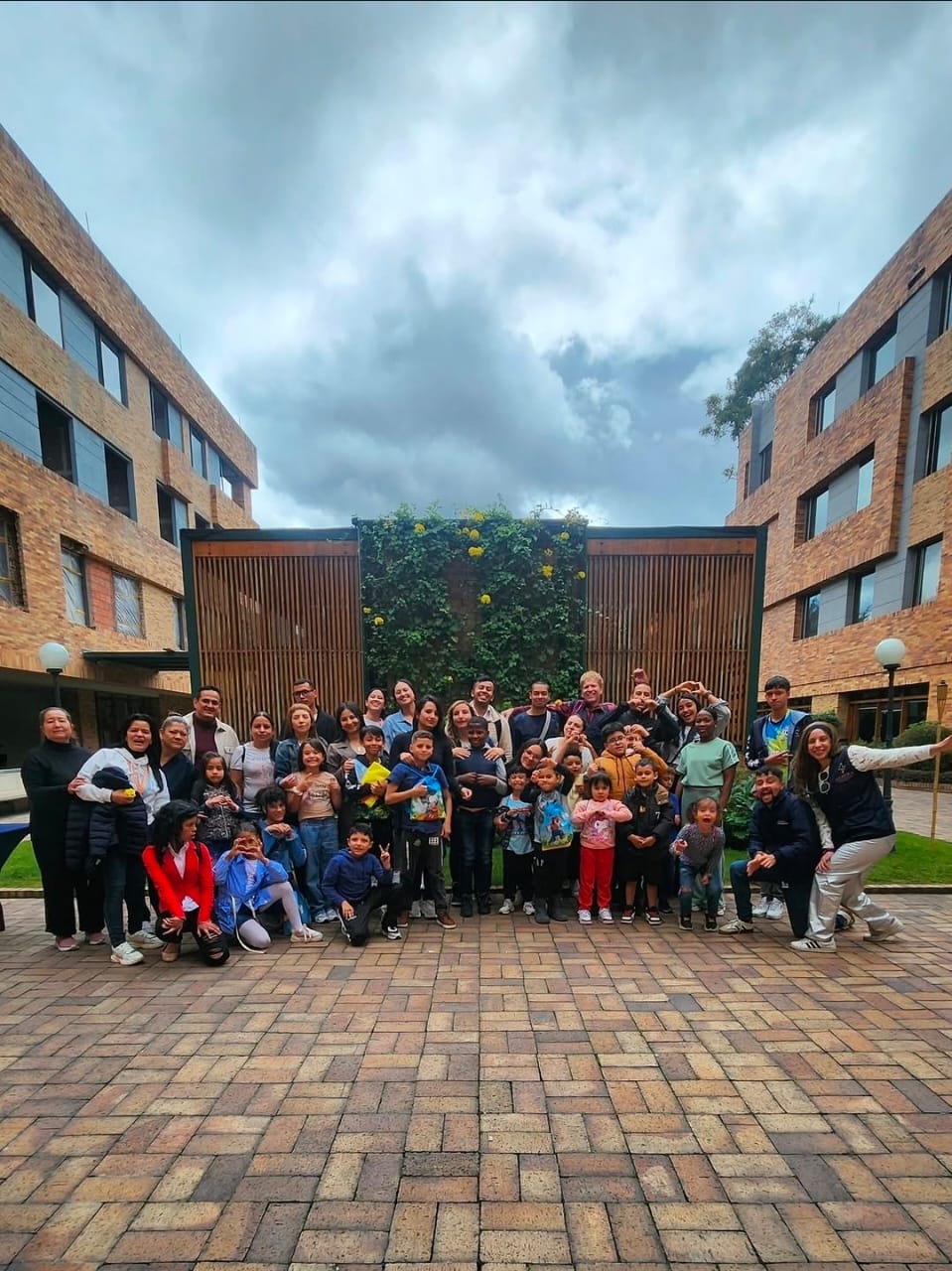
The challenge: protection gaps also begin at home.
Adolescent well-being does not depend solely on individual capabilities. It is also deeply connected to family interactions, the quality of communication, emotional regulation and everyday caregiving environments.
Many families face stress, everyday conflicts and difficulties managing the emotional aspects of relationships between caregivers and adolescents.
Traditional interventions often focus on sharing information without necessarily developing the practical capabilities needed to transform family dynamics.
The challenge
- Caregivers experiencing difficulties with emotional self-regulation.
- Family conflicts and communication difficulties.
- Limited practical tools for managing disagreements.
- A need for continued support after training activities.
Our response
- Socio-emotional capacity strengthening.
- Emotional regulation and caregiver self-regulation.
- Communication, active listening and agreement-building.
- Experiential learning and ongoing support.
- Technology to reinforce the adoption of practices at home.
Conceptual foundation: Scientific Framework for Dream Lab Family. This framework is not presented as empirical evidence of results.
We do more than teach concepts. We develop capabilities that transform homes.
- 01
Strengthened caregiver
Developing self-regulation, self-awareness and the ability to recognise emotional triggers.
- 02
Emotional regulation
Tools to identify emotions, manage tension and de-escalate everyday conflicts.
- 03
Communication and agreements
Active listening, assertive communication, agreement-building and shared boundaries.
- 04
Safe home
Strengthening family relationships and building environments of dialogue, trust and emotional validation.
- 05
Adolescent resilience
Strengthening protective factors that contribute to adolescent well-being and development.

From methodology to practice: a proof of concept implemented in Colombia.
Following feedback during the Being Initiative Stage 1 review, KUPERA designed and implemented a proof of concept to explore whether Dream Lab's methodological components could be adapted to a family-centred preventive intervention.
Caregivers registered.
Eligible caregivers enrolled in the pilot.
Caregivers who completed the programme.
Duration of the training programme.
The pilot included three consecutive online sessions focusing on caregiver emotional regulation and self-awareness, adolescent development and family communication.
Implementation source: Dream Lab Family — Proof of Concept Evidence Package. Enrolment, completion and evaluation refer to distinct groups.
Evidence of change begins with everyday practices.
The pilot's final evaluation identified early signs of tool adoption and changes in communication and caregiving practices at home.
Practical tools
Evaluated caregivers reported receiving and implementing practical tools to resolve everyday conflicts at home.
Methodology rating
Evaluated caregivers agreed or strongly agreed that the methodology could transform family communication.
Caregivers · final evaluation
Participants with a complete quantitative and qualitative evaluation.
Results reported in Evidence Brief V2, July 2026. The complete final evaluation included 19 caregivers. These findings represent early evidence of implementation and tool adoption; they do not constitute an evaluation of clinical effectiveness. The percentages do not refer to the 90 enrolled caregivers.
Which practices are beginning to change at home?
The pilot revealed different levels of adoption of socio-emotional tools and family interaction practices.
Active and mindful listening
88 %Listening attentively before responding.
Emotional regulation before responding
80 %Pausing and regulating emotions before a difficult conversation.
Agreement-building and boundaries
72 %Building shared boundaries through dialogue.
Empathy and emotional validation
65 %Recognising adolescents' emotions and perspectives.
Direct, assertive communication
58 %Expressing needs clearly and respectfully.
The findings suggest greater adoption of individual listening and self-regulation practices, while capabilities requiring bilateral negotiation and shared communication offer opportunities for further strengthening.
Adoption indicators reported in Evidence Brief V2; they are not claimed to be statistically representative or extrapolated to all enrolled participants.
When change begins at home.
Participants' voices reflect how small changes in communication and emotional regulation can transform family relationships.
Conflict de-escalation
«I had a difficult conversation I had been putting off. Before, we would shout at each other and end up upset; this time, I was able to pause, regulate my emotions and talk without losing our calm.»
A shift towards active listening
«I understood that listening to my son was the real first step. Before, I wanted to give him advice or tell him off instead of finding out what he was really feeling at school.»
Validation and trust
«I asked my daughter directly what she wanted and listened to her opinions. I was surprised to see how her attitude changed immediately when she felt included.»
Emotional responsibility
«I learnt to control my own emotions because I understood how they affect the atmosphere at home. If I become upset, I close the door to dialogue with my son.»
Source: Evidence Brief V2, section 04, page 5. Qualitative pilot testimonials, with anonymous attributions and wording supplied by KUPERA.
Learning does not end when a session finishes.
KUPERITA: technology to support change.
Lessons from the pilot highlighted the importance of supporting families beyond the training sessions.
This need prompted the development of KUPERITA, an AI-based conversational assistant designed to support caregiver reflection, reinforce micro-practices and enable continuity of learning in everyday life.
- Reinforcing learning.
- Questions that encourage reflection.
- Support between sessions.
- Reinforcing family habits and practices.
- Supporting continuity throughout the process.
KUPERITA is in development. Its role is to complement human support, not replace caregivers, facilitators or mental health professionals. It is not presented as a diagnostic system or a psychotherapy tool.
From early evidence to the possibility of scale.
Dream Lab Family represents a methodological evolution of Dream Lab. The implementation experience identified signs of feasibility, acceptance, participation and early changes in caregiver practices.
The next stage aims to deepen the evidence on implementation quality, caregiver self-efficacy, emotional regulation, family functioning and adolescent well-being across different territorial contexts.
Strengthening capabilities. Transforming homes. Protecting futures.
We believe that transforming adolescent well-being also means transforming the environments in which adolescents grow up. We therefore strengthen those who care for, support and build opportunities for the next generation.
Explore Dream Lab